STUDENT
COURSE
MENTOR
partner
MENTOR
SDG

This thesis explores how digital lottery systems might support earlier and more integrated forms of harm reduction within online play itself. Current responsible gambling RG approaches often rely on tools such as spending limits, self-exclusion, reminders, spending overviews, or cooldown periods. While these tools can be meaningful for some users, they are frequently separated from the actual flow of play. A player may need to search for them, activate them in advance, or remember to use them during moments where continuing often feels easier than stopping.
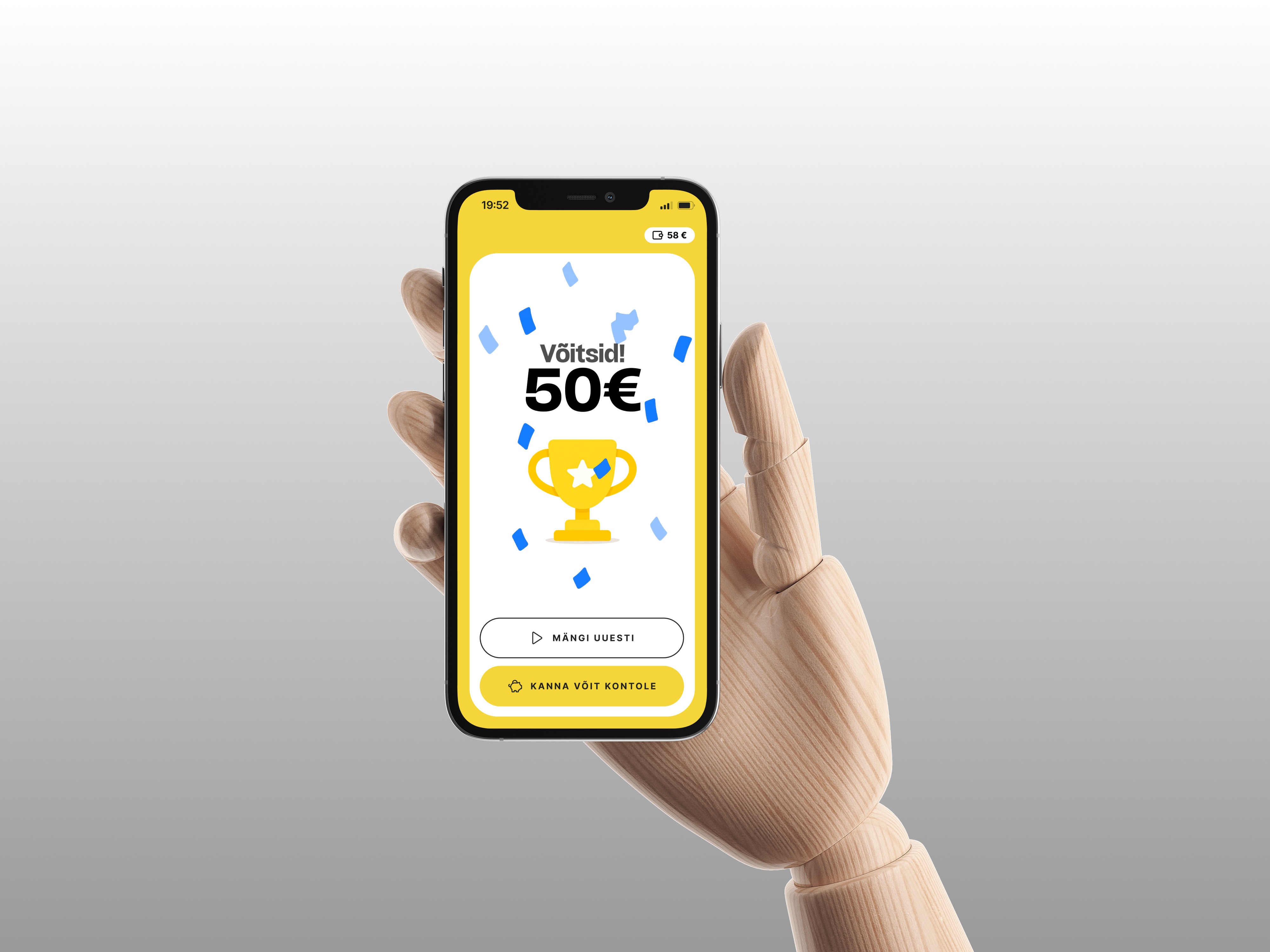
The project focuses particularly on online instant-win lottery games, where rapid replay, repeated small purchases, and continuous interaction can make sessions difficult to reflect on while they are happening. Depositing money, replaying a game, or continuing after a small win can happen almost automatically. At the same time, responsibility is still often framed primarily as something the individual user must recognize and manage themselves.
Rather than approaching gambling from a clinical or treatment perspective, the thesis examines these systems through interaction design and a public health-inspired harm reduction lens. The work is shaped by broader questions around agency, friction, autonomy, behavioral momentum, and the tension between supportive and overly controlling intervention. A central concern throughout the project was how systems might help create moments of reflection before behavior becomes severe, habitual, or difficult to interrupt.
The research primarily relied on qualitative methods, including interviews, probes, concept discussions, literature review, and iterative prototyping. Participants included digital lottery players with different gambling habits, game preferences, and levels of familiarity with existing RG tools. Additional interdisciplinary critique sessions with a designer, design engineer, and therapist were used to examine ethical concerns, implementation challenges, and assumptions embedded within the concepts.
The outcome of the project is a series of speculative interaction concepts exploring proactive responsibility interventions within digital lottery environments. These concepts do not aim to “solveˮ gambling harm or replace existing support systems. Instead, the project contributes design perspectives and critical discussion around how responsibility interventions might become more embedded within interaction flows themselves, especially in moments where repetitive play can continue with very little reflection.
.jpg)