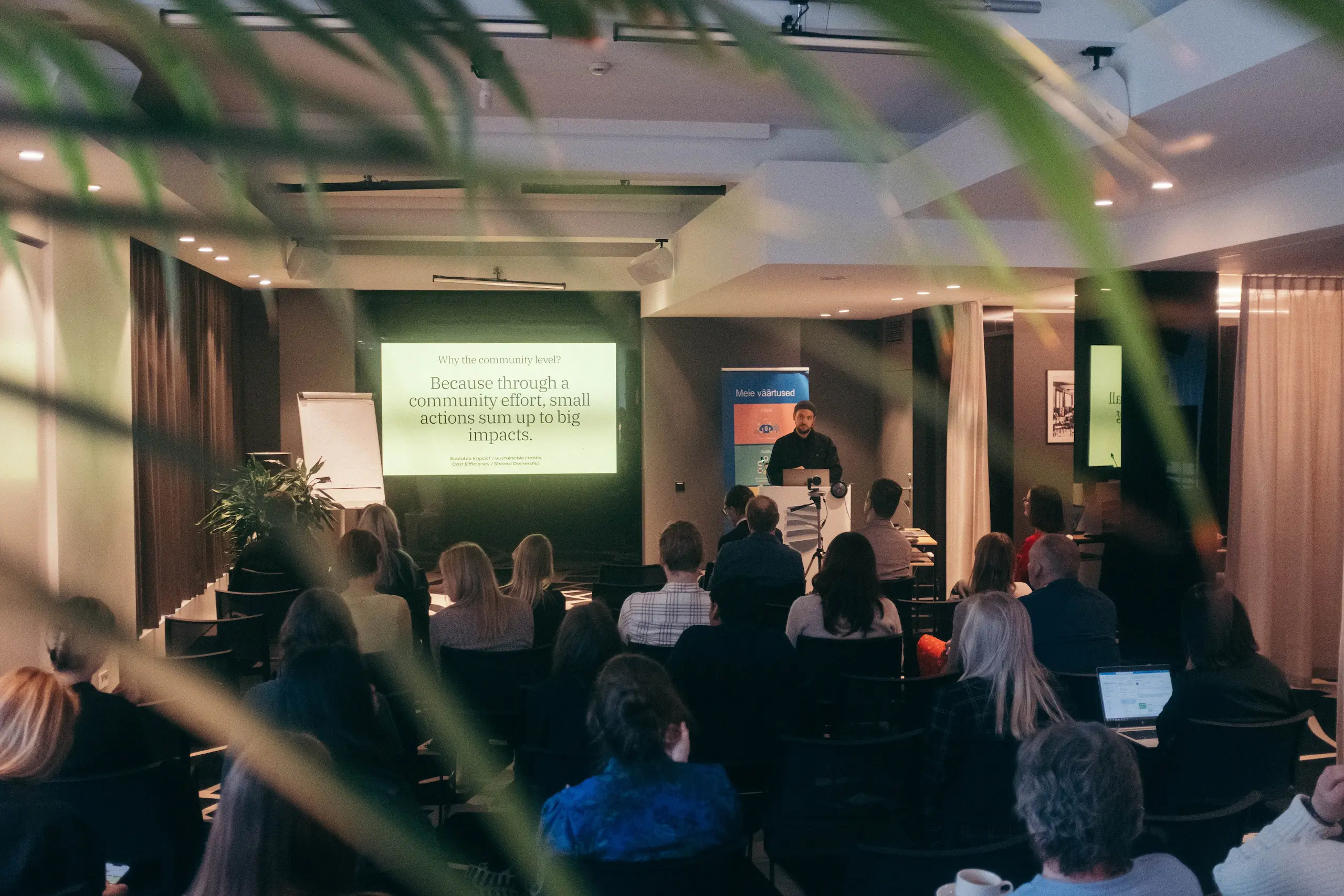
The breakneck advances in technology have led to the next industrial revolution. For the first time in recent history, no one knows what the future will look like. Interaction Designers are at the center of this transformation: it is in our hands to create a future grounded in human values, needs, and behaviours.
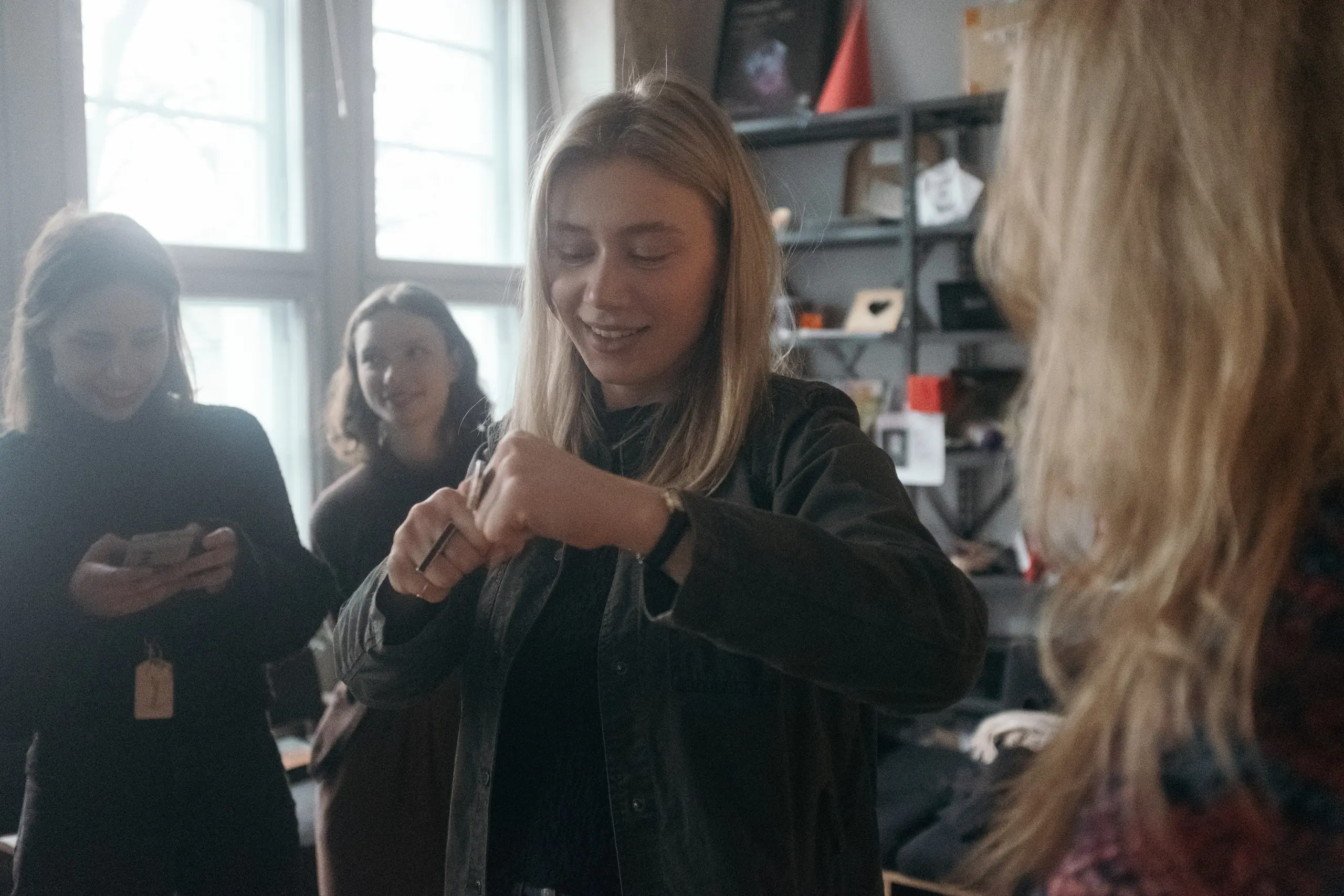
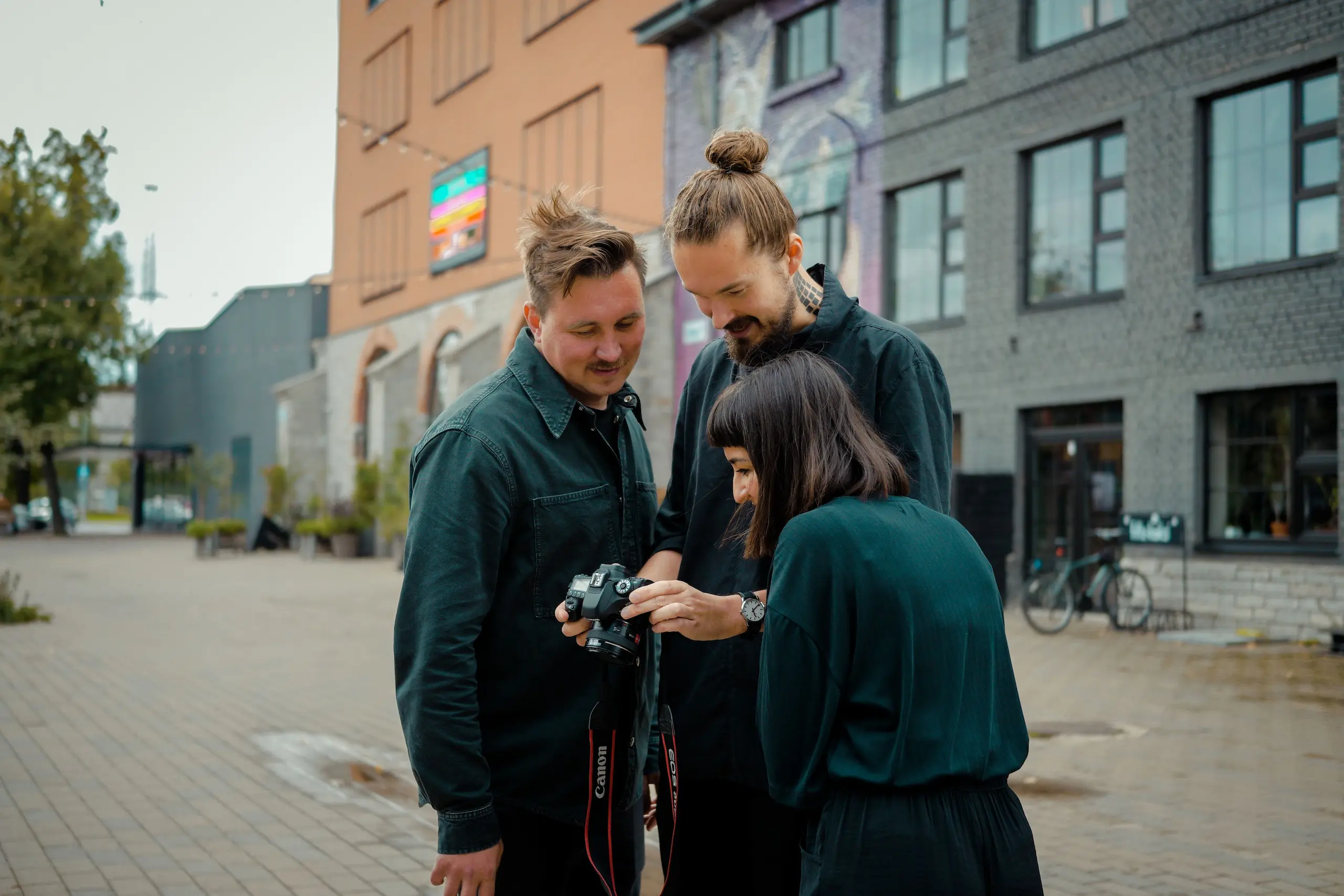
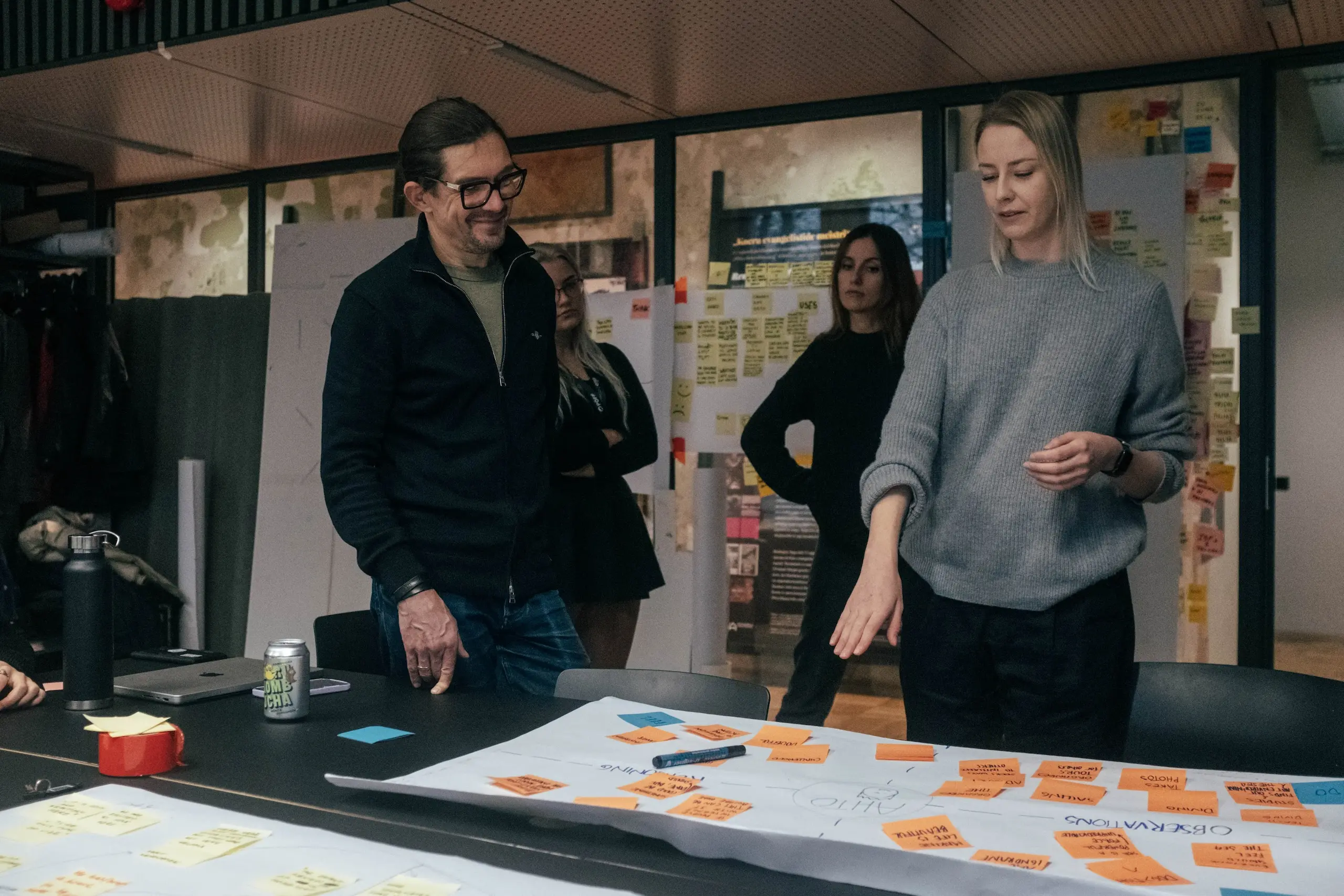

Technology is becoming omnivalent, intelligent.
No longer a tool to pick up and use, it is beginning to fulfil its premise by augmenting our human abilities.
So we are no longer designing the technology, but rather the relationship we have with it. It has to be meaningful. It will have its ups and downs, excitements and bores, it will start, evolve, and end.

The world we are designing for is developing extremely fast. We are not—we resist, adapt, and eventually embrace change. Thus, we must take human beings as the unchanging cornerstone, the basis for our design approach, and methodology. At IxD.ma, the study starts from a human-centered perspective but quickly adapts to the world, always looking into the future.

Human-centered is not enough. To turn away from the culture of exploitation, we have to look beyond human needs and consider the planet's needs. Interaction designers have a significant impact on how people interact with the world around them, we are able to shape human perception, values, and behaviours. Creating a positive future is in our hands.
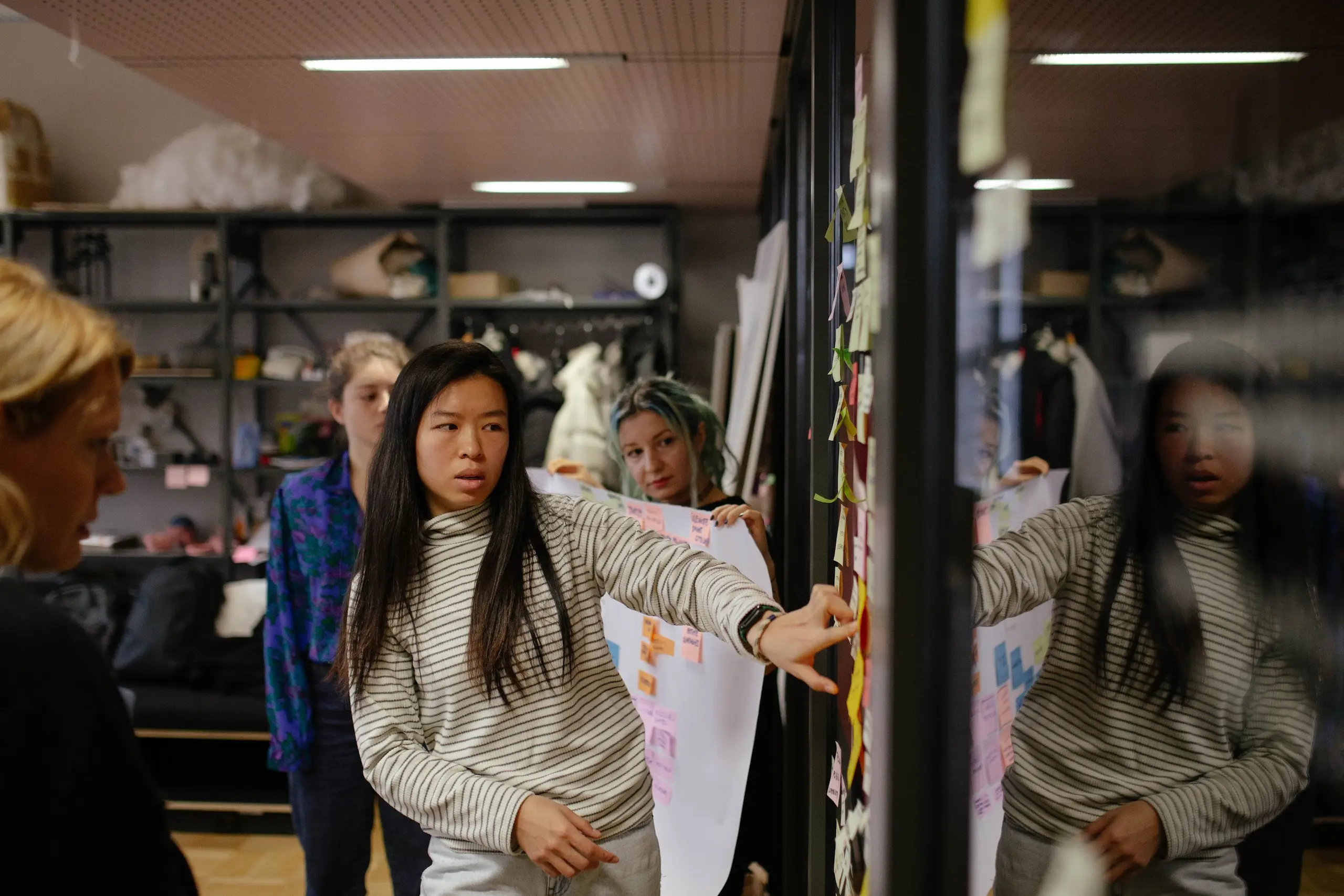
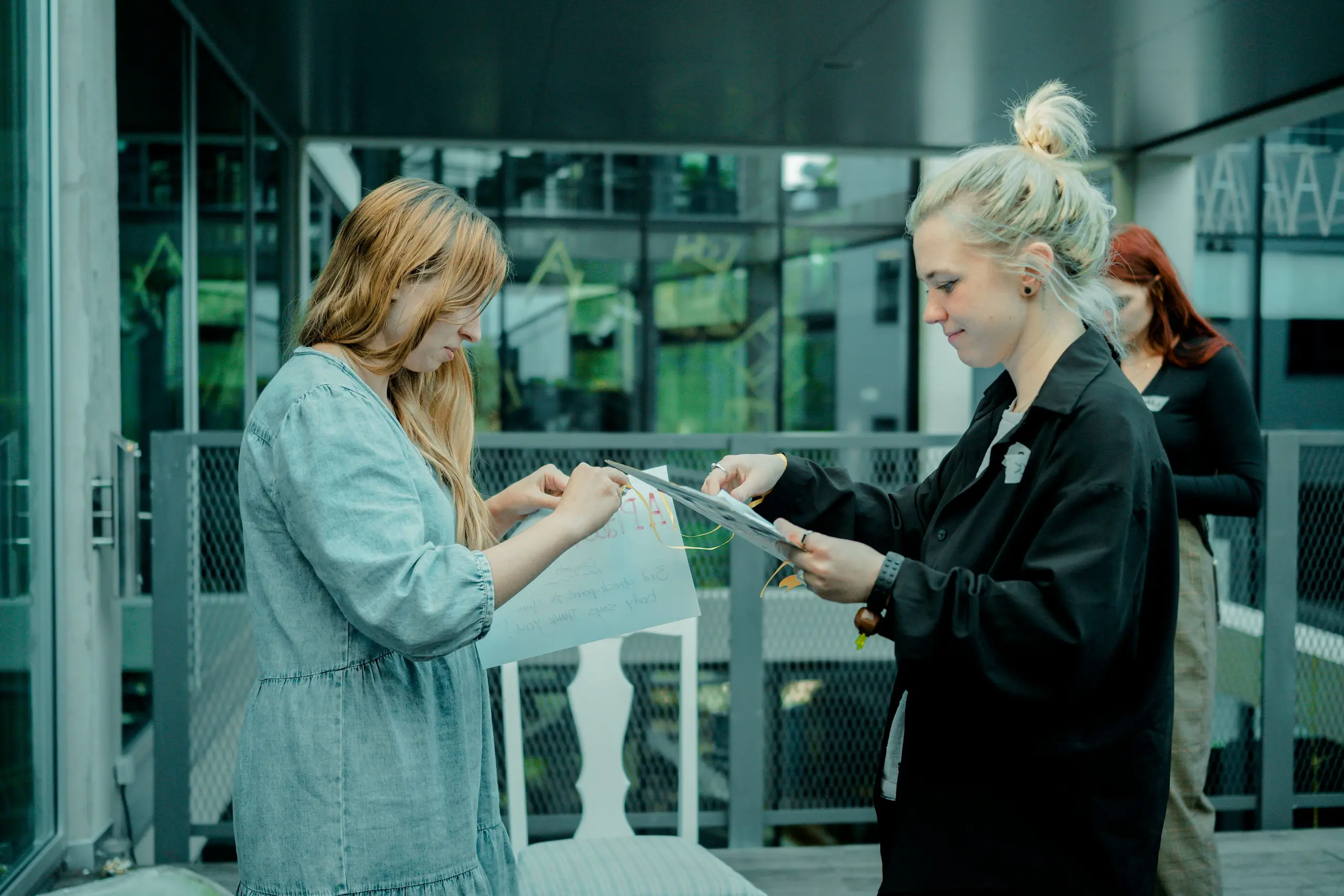
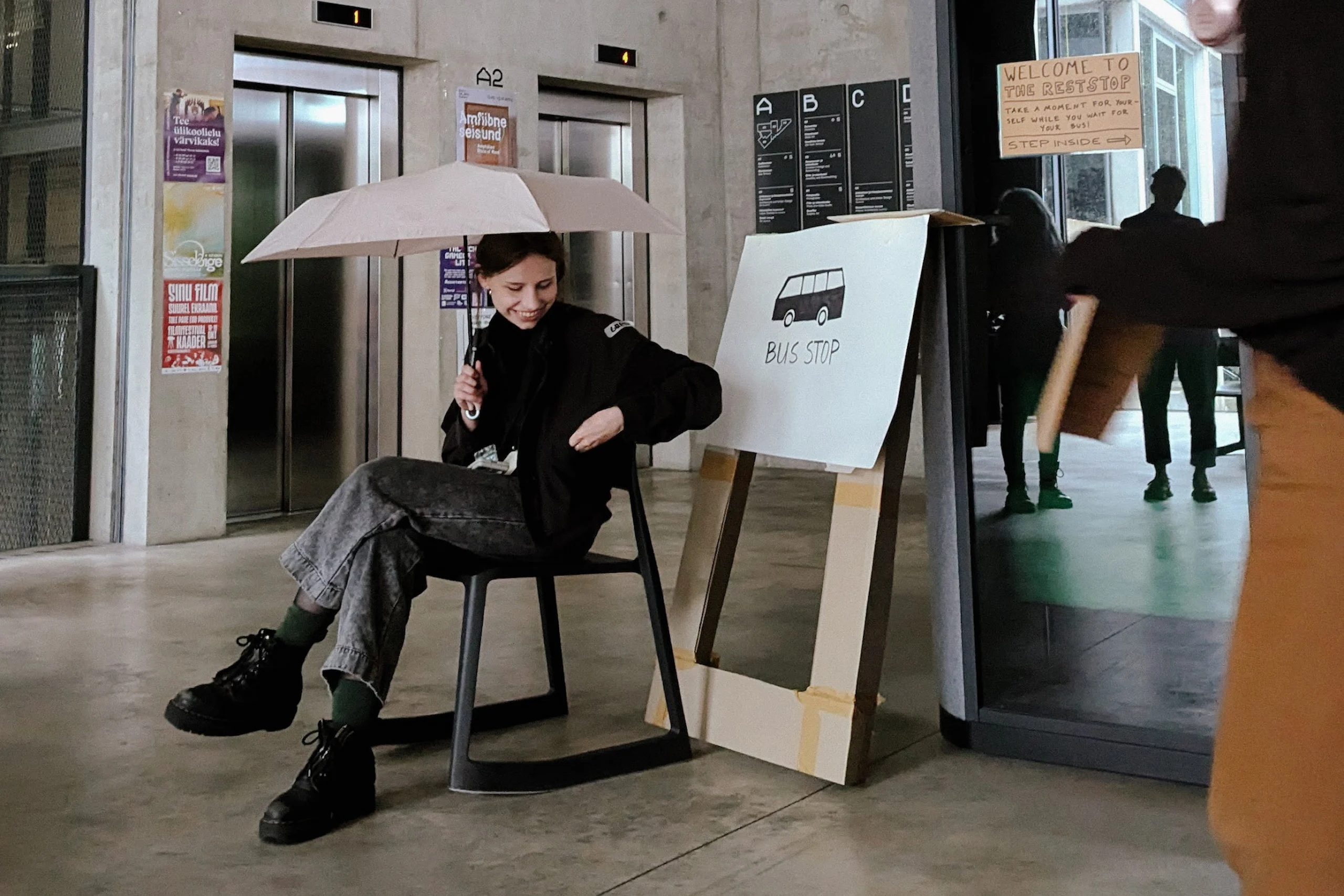
From makers of things to problem-solving innovators, the designer’s job description is in constant motion. This is why we focus on fostering the core attributes that make up a design professional: first, the mindset—the thinking, values, and attitudes, then the skillset, and only then the toolset.
Becoming a designer means developing a certain personality. Designers are curious and not afraid of confusion, experimentation, or failing. They can be simultaneously critical for creating clarity and creative for generating ideas. They can see the big picture while also being meticulous about details. Designers are humble, care about, and fight for the people and the planet we live on.
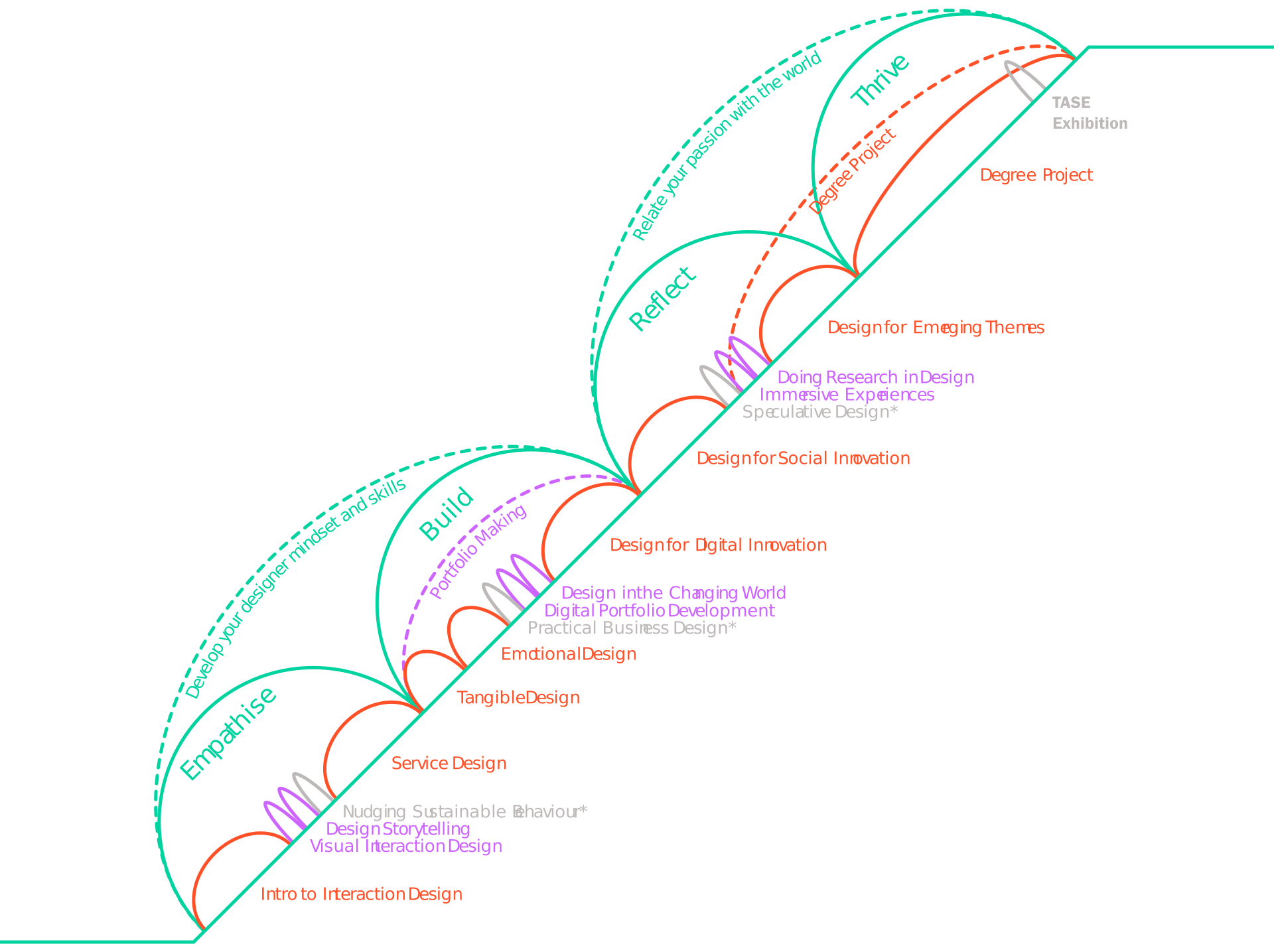
The studies at IxD.ma are experiential and studio based. You develop your designer intuition, experience and portfolio through constant iteration, guided by mentors—passionate industry practitioners, who use their experience to guide you through challenging projects.
Building empathy is a designer's core skill. In the first semester we focus on interactions with humans, and focus projects on user research and opportunity-finding.
This course aims to achieve two goals: first, to give you a thorough understanding of the core methodologies and principles of Interaction Design Thinking, including exploratory research, ideation, prototyping, and storytelling. Second, it introduces the program's ethos, fostering skills for effective collaboration, reflection, and ongoing learning.
In today's evolving landscape, the line between products and services has become less clear. As the key industrial collaboration project of the semester, this course aims to lead you through the service design process. By focusing on exploring, defining, and creating value propositions, you will learn to handle the complexities of design, understanding that effective problem-solving starts with asking the right questions.
Beginning with core principles of composition, typography, and colors, this course provides essential fundamentals of visual design, followed by interface design.
This course aims to examine the vital importance of storytelling in design. Storytelling serves as a powerful means to transform how design concepts are communicated, fundamentally changing the way ideas are presented and grasped.
Whether we acknowledge it or not, a designer's work inevitably impacts their target audience's behavior and mindset. Therefore, we must act ethically and considerately during every stage of the design process, while also leveraging this influence to foster positive change. This course acquaints you with behavioral psychology within the framework of sustainability.
Designers think by doing. The second semester focuses on interactions with technology, and building and developing ideas by making them tangible and actionable.
This course aims to explore digital interactions beyond screens and to experiment with engaging all our senses in design. You will try rapid physical prototyping, soldering, electronics, woodworking, 3D printing, and prompt engineering, preparing your prototypes for a one-day pop-up exhibition.
Digital Product Design involves an iterative process that spans from user research to production. This course focuses on developing innovation in real-world settings through digital product design. Collaborating with external industry partners from Estonia's startup scene, you will identify and address problems and opportunities that emerge when the company's business goals align with the end-user’s needs and values.
This project aims to explore the often overlooked emotional aspect of design. You will focus on mobile experiences, learn the techniques of designing emotionally engaging applications, and understand that emotional design is a key element that distinguishes great design from merely good design.
This is a quick introduction to customer-focused business development. You will learn how to identify clients and their needs, create viable business models, and develop compelling value propositions.
This course aims to help you build an exceptional portfolio that serves as the key to a successful application for jobs, internships, PhDs, volunteering, collaborations, and more. Throughout the semester, you will participate in a series of sessions designed to help you understand your target audience and develop your unique brand identity, tailored to the specific role or position you seek. Ultimately, it’s your story, told by you.
To make informed and ethically responsible choices as designers, it is crucial to understand the history, current landscape, and future directions of our field. This course aims to give you a deep insight into the history of design, along with an examination of the theoretical principles and methods that underpin it.
It is time to reflect on our progress, and look into the future. Human-centred approach is no longer enough, what is next? The third semester focuses on interactions with broader impact.
Cultural and technological progress create new opportunities and challenges. People tend to resist change due to preconceptions, instincts, and habits. When addressing social issues, designers often need to focus on systemic or behavioral change. Interaction Designers can identify root problems, see beyond surface symptoms, and leverage opportunities by developing empathy and choosing effective intervention points. This skill is highly powerful, and with it comes an ethical responsibility.
In interaction design, new themes constantly arise due to societal and technological progress. Interaction designers need to keep up with current trends because it is our responsibility to shape the future by recognizing and addressing the hidden challenges and opportunities of change. This course provides a chance to explore emerging topics like AI, IoT, climate change, and others, drawing on the concepts of speculative and futures design.
Virtual and augmented reality are two emerging technologies set to significantly change how we interact with machines and each other in the coming years. This short course will explore the new opportunities these technologies introduce, their impact on us, and principles for designing with them.
IxD.ma's focus is on creating the future. Sometimes we need to take a critical stance in our design, and build future scenarios and artefacts that are specifically designed to provoke reflection and discussion.
The ways to use design in research are limitless, and during our three semesters at school, we've only begun to explore them. This course marks our final intensive study of the subject, aiming to provide fresh perspectives and inspiration for the Degree Project.
The fourth semester is for refining and developing expertise in your focus, and proving your maturity as a professional.
The degree project is an individual self-initiated project, that will provide you with an opportunity to develop your point of view, design approach and the management and communication skills inherent to a professional creative.
Each team ends their studies with a big exhibition, showing off their degree projects.
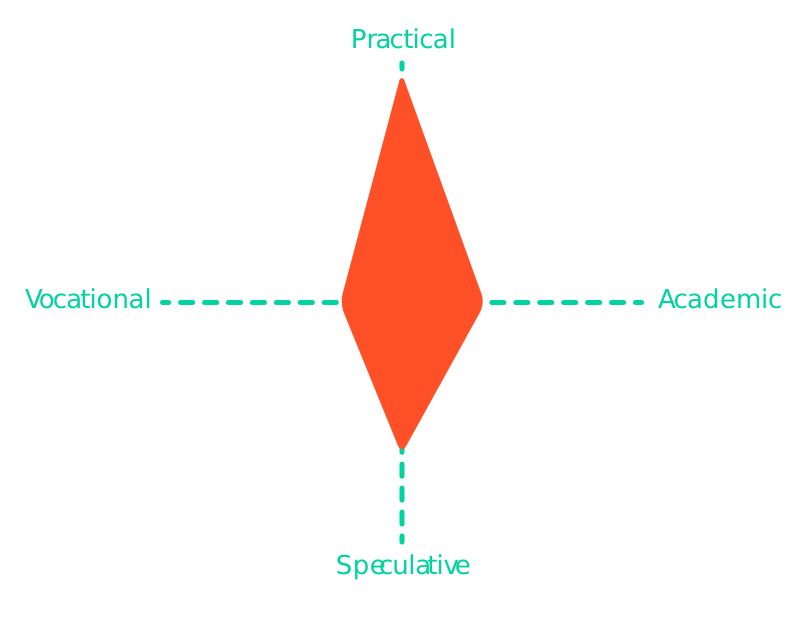
Our approach is practical. In collaboration with top industry partners—Estonian startups, government sector, telecoms, NGOs — we work on real-life briefs, problems, and real people each semester to discover the hidden possibilities of innovation and develop forward-looking concepts grounded in reality.
Design is a very open community; there’s an abundance of methodologies and tools. Anyone can learn them. But it’s only through practice, failing, reflecting, and trying again, that you actually develop your intuition and start thinking like a designer. We aim to create a safe environment that encourages risk-taking and fosters creativity by being open, honest, fun, and reflective


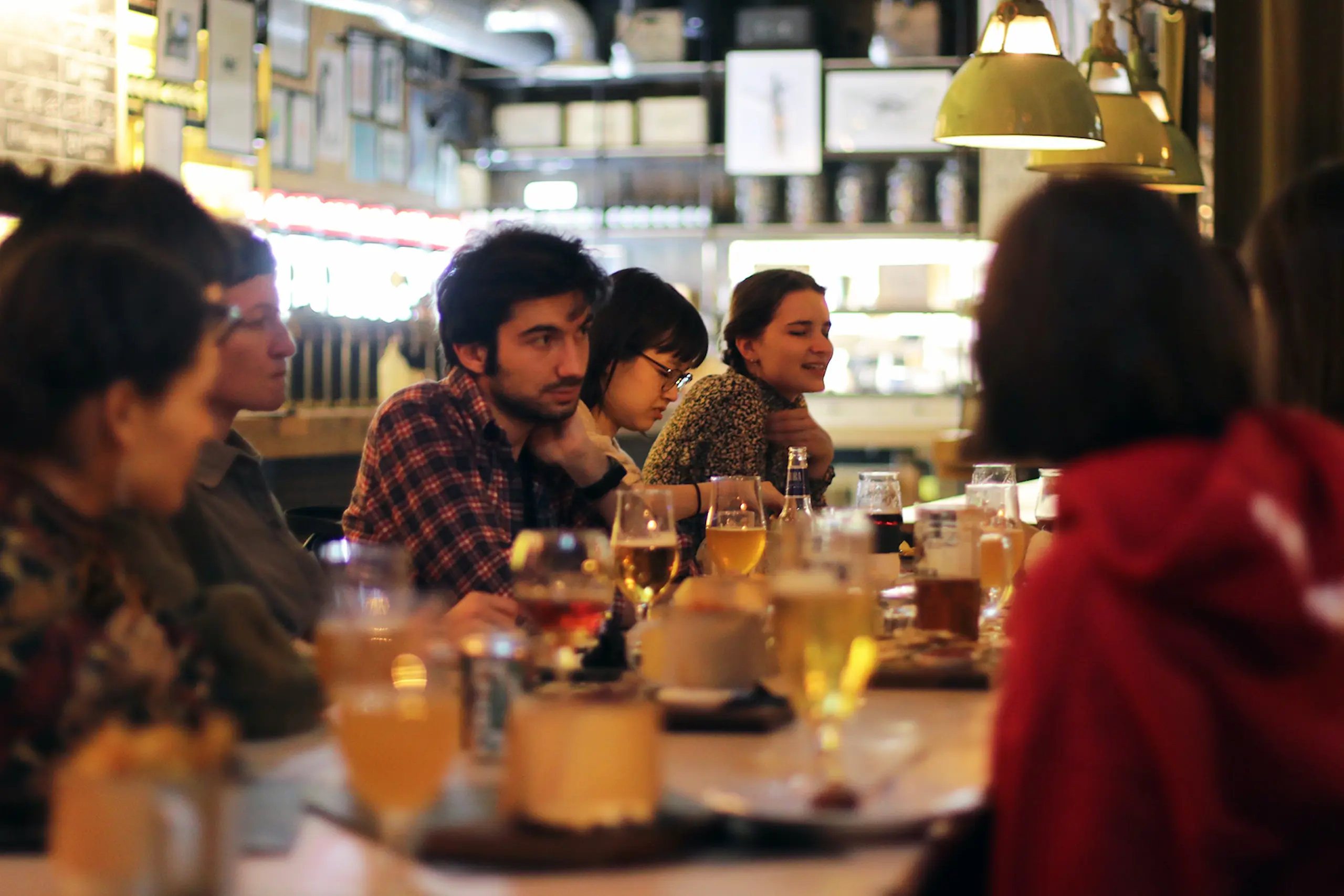
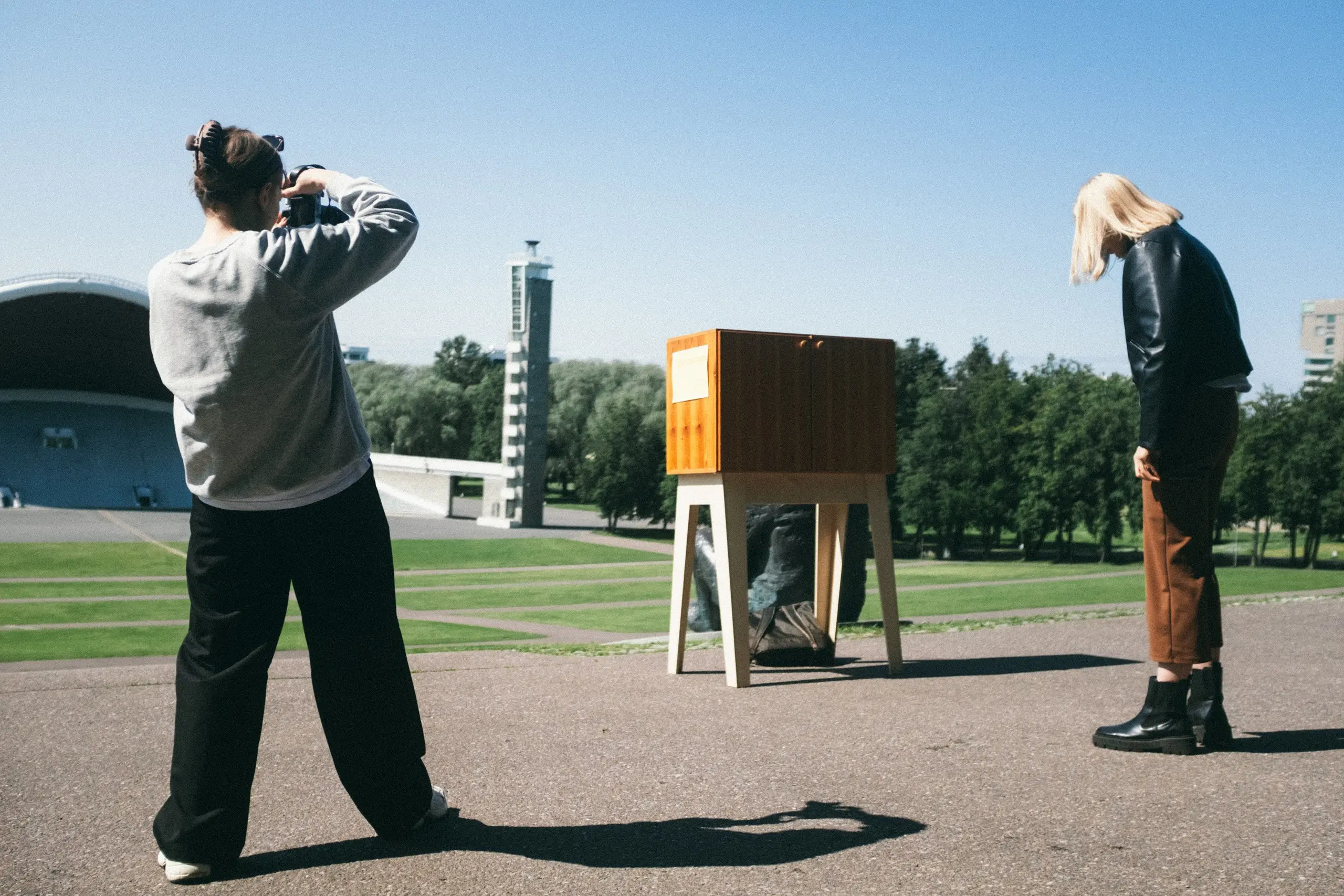
Estonia, in Northern Europe, is home to a small population and a thriving economy. Dubbed as the "First Digital Nation" or the "Silicon Valley of Europe", it's a country with the most start-ups per capita, and the Internet is declared as a basic human right.
As a digital nation, the country faces a strong demand for designers. Start-ups are constantly on the lookout for talent, and the government sector is open for innovation.
No traffic jams, get anywhere in ten minutes, and the prime minister is one call away. Being in a small nation means easy access to the industry, the agility to move fast, and time to spend on things that matter.
Estonia has a long but mixed history. While culturally enriching, some of our 20th-century experiences had also given a blow to the country's economy. It is developing extremely fast, but for now still a reasonably priced option for students.
Established in 1914, the Estonian Academy of Arts is one of six public universities in Estonia. It combines an unique mix of heritage and cutting-edge, as its small size allows for agility and constant innovation.
EKA is a school with 1000 students and a 1:3 teacher-student ratio. This means that individualised study and personal mentorship are at the core of your development.
EKA hosts a multitude of creative departments, many of which have been operating for close to a century. You are welcome to get inspired by textile and fashion designers, blacksmiths, ceramists, sculptors, and many others.
In 2018, EKA moved into brand new campus right in the middle of local cultural hotspots. VR Lab, Prototyping Lab, Woodworking Studio, Photo Studio, Equipment Rental and others are at your disposal to engage your creativity.
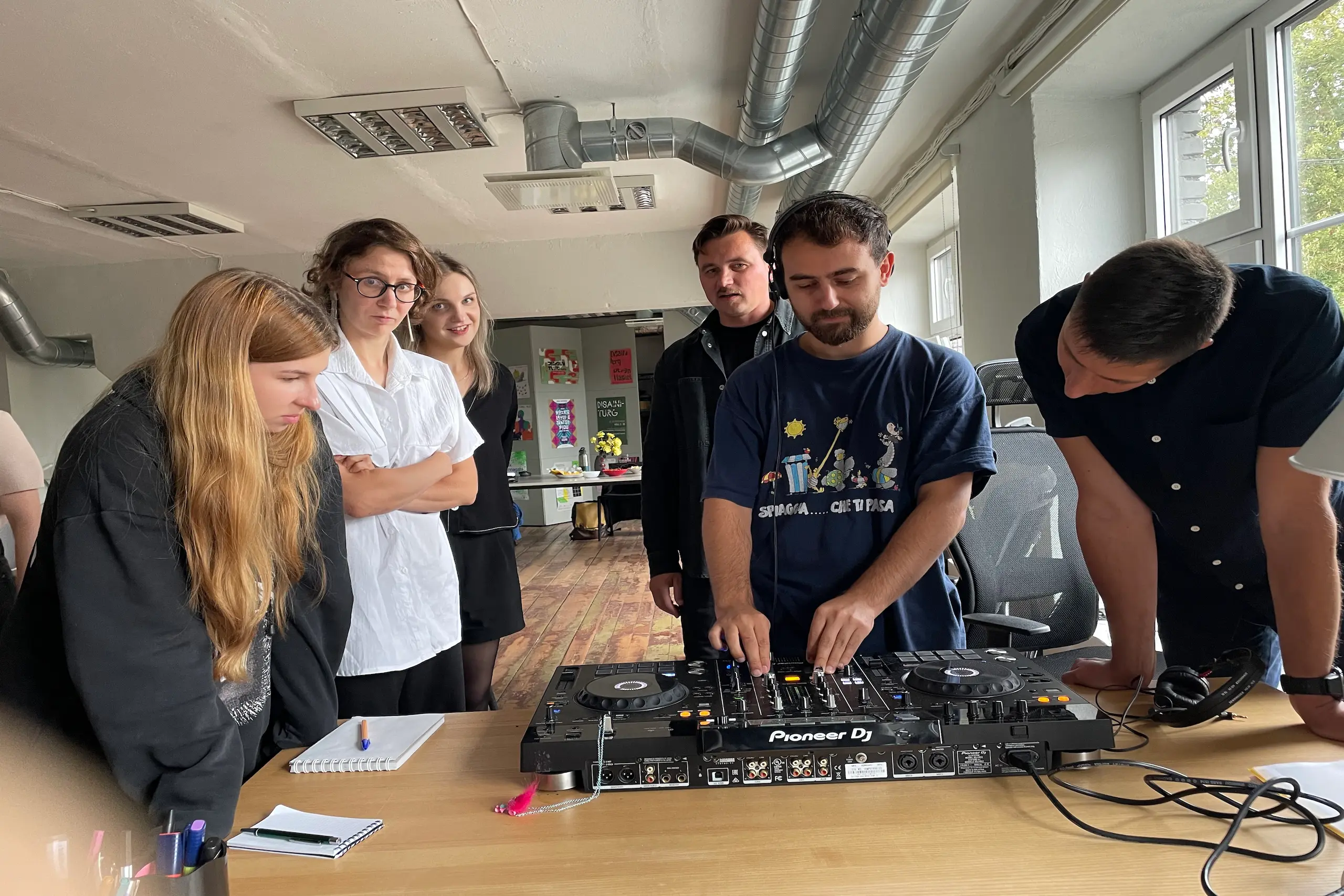
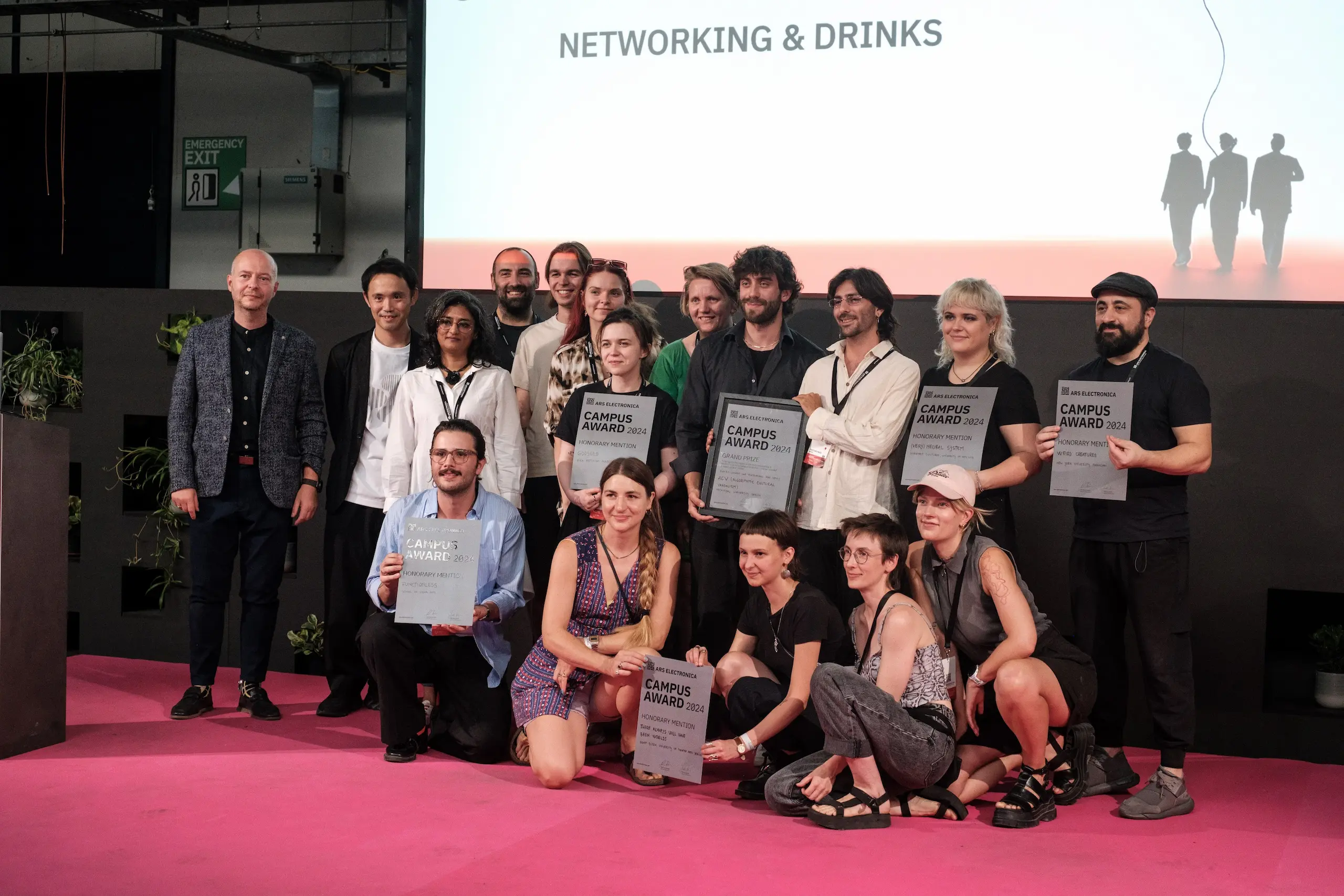
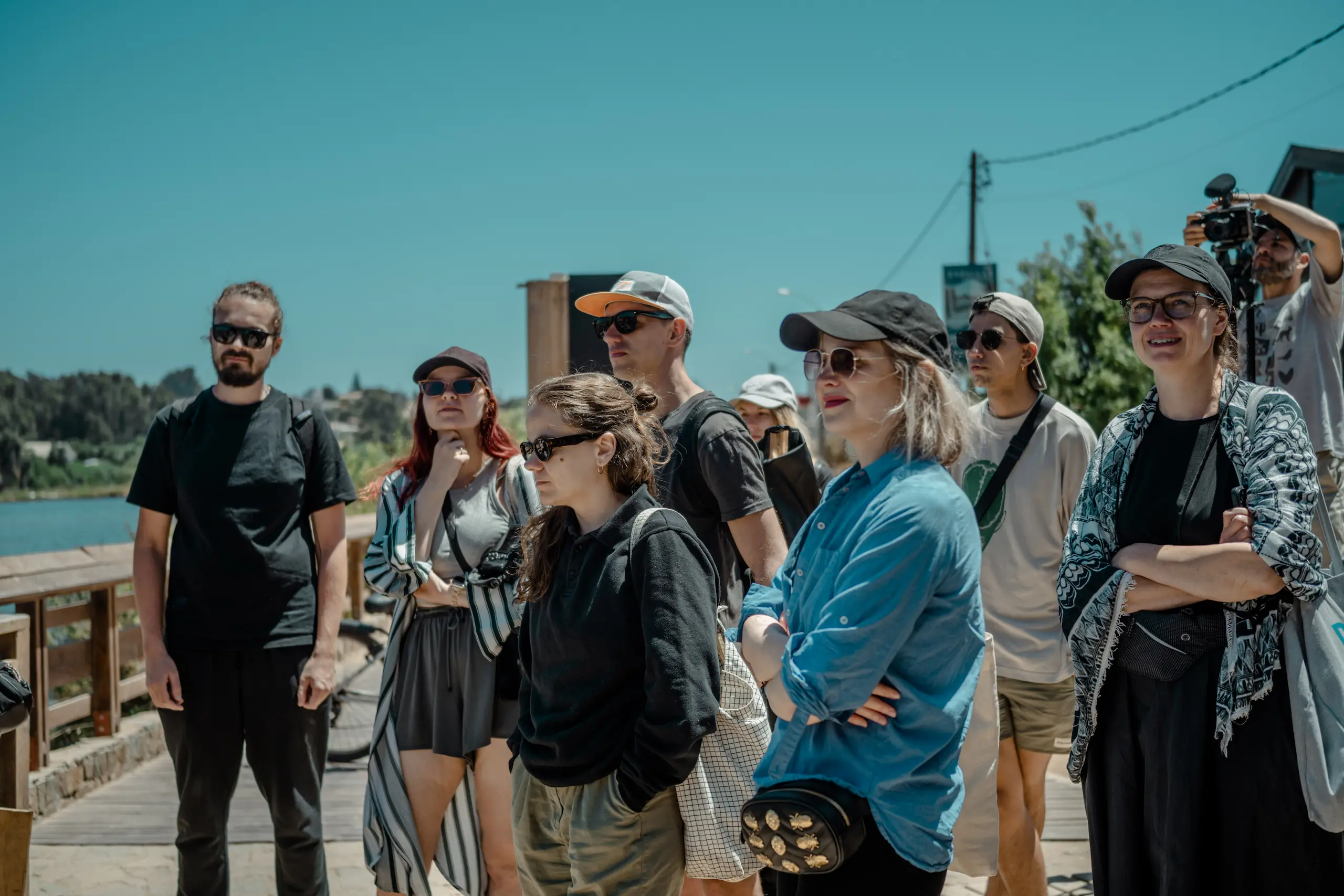
The IxD.ma was born out of the necessity for designers in a digitally advanced nation.
Launched in 2016 by Kristjan Mändmaa (EKA), Amid Moradganjeh (IDEO), and Keit Ein (FLUX), input from top design teams across the Globe was used to establish the program's initial ideology and mindset. Ever since, the program has been in constant development, informed by best teaching practices, student feedback, and emerging themes in the design field.
Today, IxD.ma is one of the most popular master's programs in the school and arguably one of the strongest Interaction Design programs globally. A 2024 International Institutional Accreditation awarded the curriculum the highest possible score. We have established strategic partnerships with top design schools in Europe, Asia, and Latin America. Our students are mentored by top industry experts, collaborate with numerous industry partners, and win international competitions. Over 90% of alumni are working as design professionals.