STUDENT
COURSE
MENTOR
partner
MENTOR
SDG

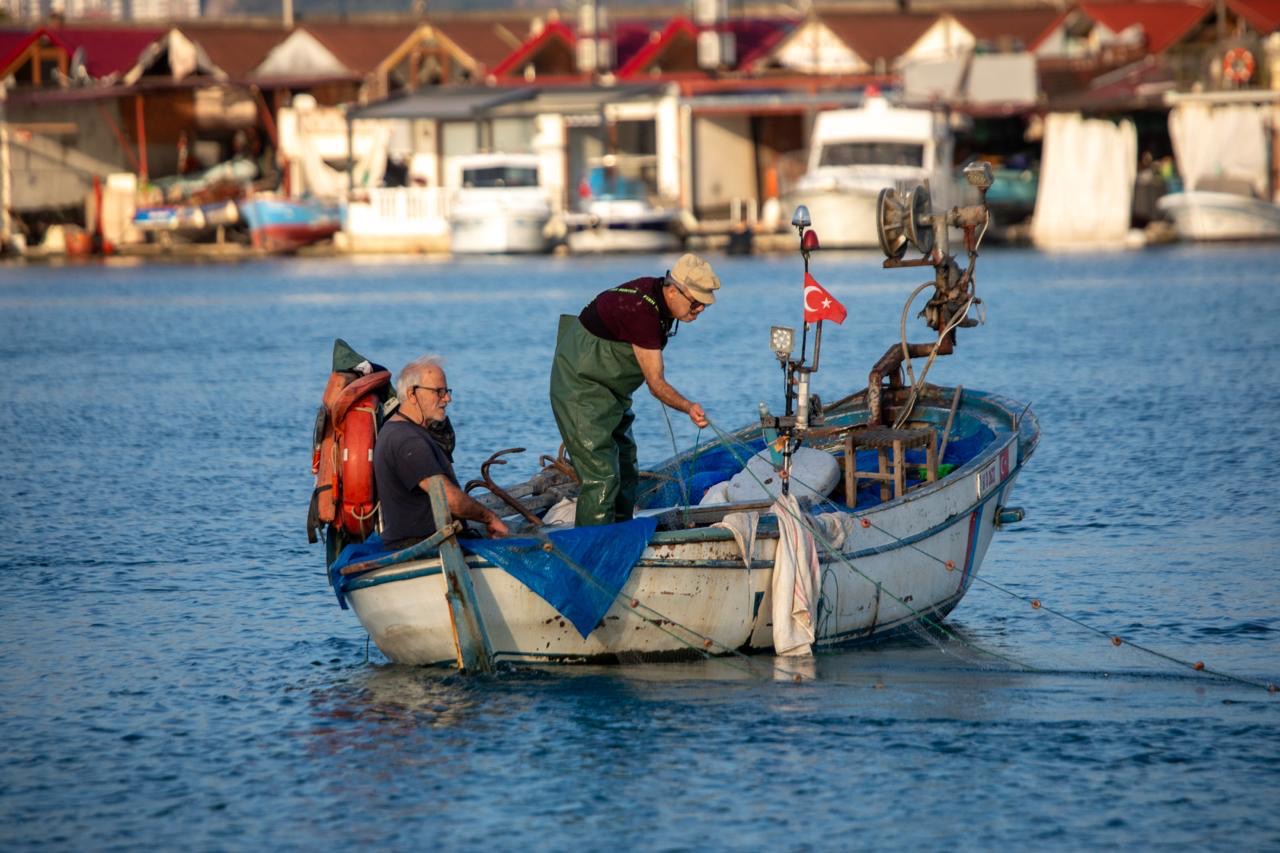
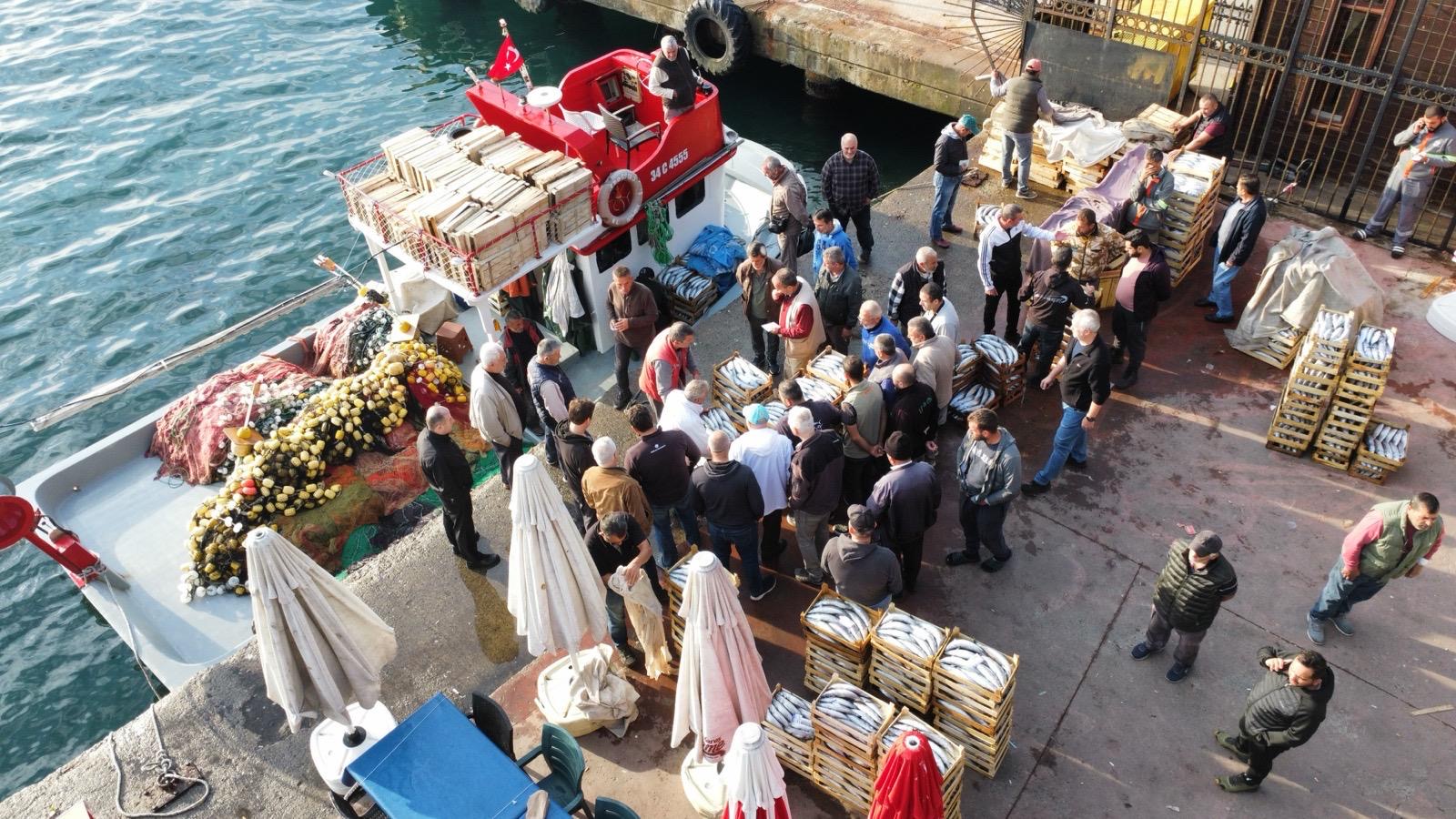
This thesis explores how design can contribute to more ethical distributions of risk, responsibility, and care within small-scale fisheries in Türkiye, with a particular focus on the Marmara Sea and Bosphorus region. The project focuses on small-scale fishers because they are highly exposed to ecological uncertainty, economic instability, fragmented governance, and limited representation, while having limited power to influence the systems that shape their livelihoods.
The research is situated within the framework of the United Nations Sustainable Development Goal 14 (Life Below Water), particularly Target 14.b, which emphasizes securing access rights and supporting small-scale artisanal fishers. It also relates to Sustainable Development Goal 12 (Responsible Consumption and Production) through its critique of growth-oriented production systems, extractive market structures, and uneven value distribution within fisheries economies. Rather than approaching sustainability as a matter of individual awareness or behaviour change, the research examines it as a complex socio-ecological issue shaped by interconnected ecological, economic, and governance dynamics.
Through desk research, semi-structured interviews, and visual mapping methods, the project investigates how ecological degradation, financial vulnerability, governance fragmentation, market structures, and representation asymmetries intersect in everyday fishing practices. The research gradually reframes the challenge from environmental awareness toward a systemic issue of unevenly distributed risk, care, responsibility, and power.
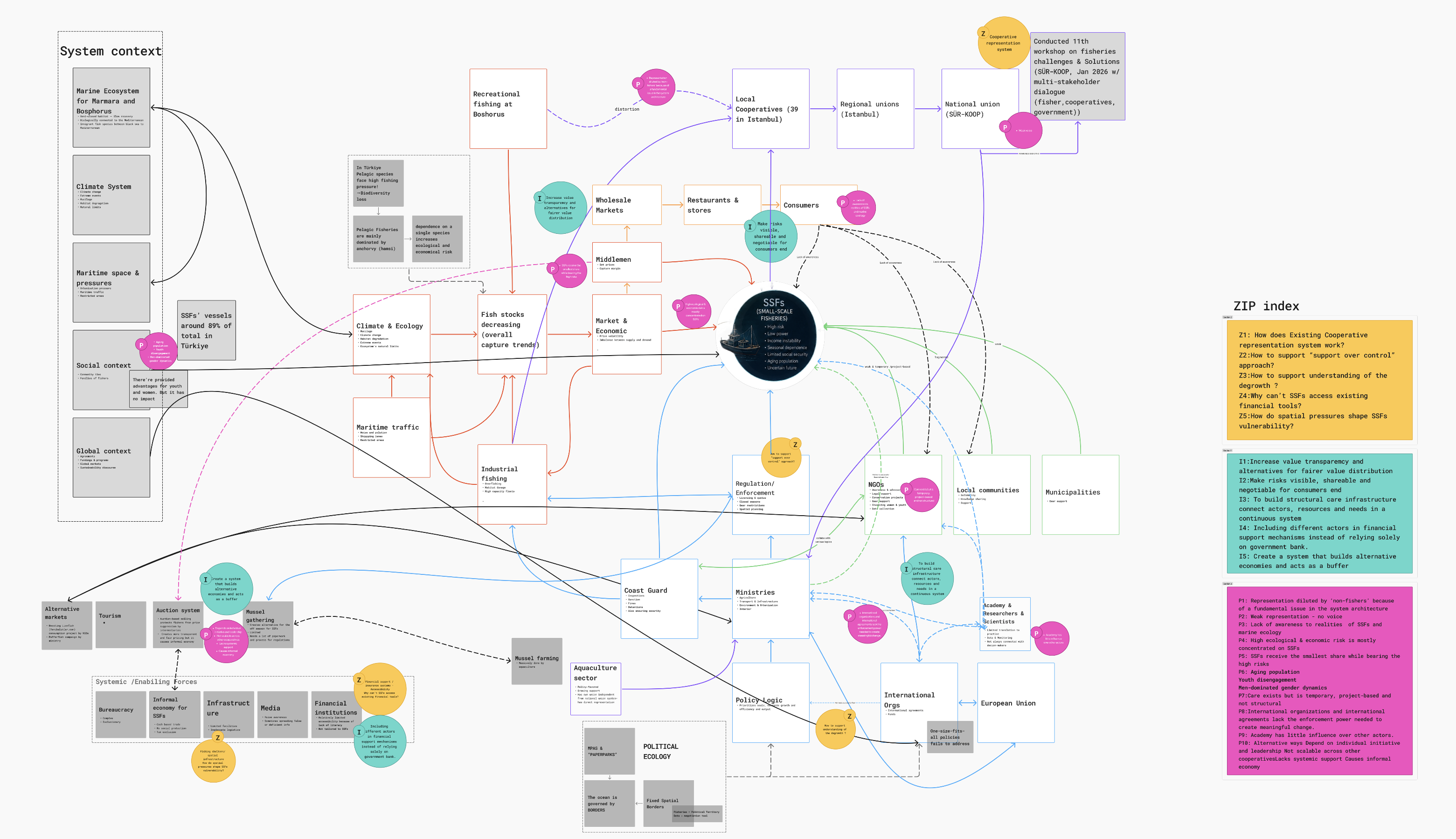
The final design outcome consists of a systemic gigamap and a set of identified leverage points that together visualize the relationships, tensions, flows, and asymmetries shaping small-scale fisheries in the region. Key leverage areas emerging from the research include representation structures, risk visibility, value distribution, care infrastructures, and financial accessibility. The gigamap is intended for designers, researchers, non-governmental organizations, policymakers, and local stakeholders working with or around small-scale fisheries. Its value lies in making systemic relations more visible and discussable before new sustainability interventions are designed.
The project aims to support more ethical and systemically informed decision-making before new sustainability interventions are designed. Rather than proposing a singular product or service, the project positions systemic mapping as both a research method and a mediating design outcome that supports reflection, stakeholder orientation, and future collaborative intervention-making within complex socio-ecological systems.