STUDENT
COURSE
MENTOR
partner
MENTOR
SDG

How can design operate when users cannot be directly observed, interviewed, or fully understood? Existing design approaches often rely on empirical access to users through observation, interviews or shared human experiences. However, these methods become limited when the user is radically unknown, inaccessible or fundamentally different from humans; such as artificial general intelligence, undiscovered lifeforms, far-future humans or extraterrestrial beings. This thesis addresses the methodological problem of how designers might approach understanding and designing for unknown users while remaining aware of anthropocentric assumptions and biases.
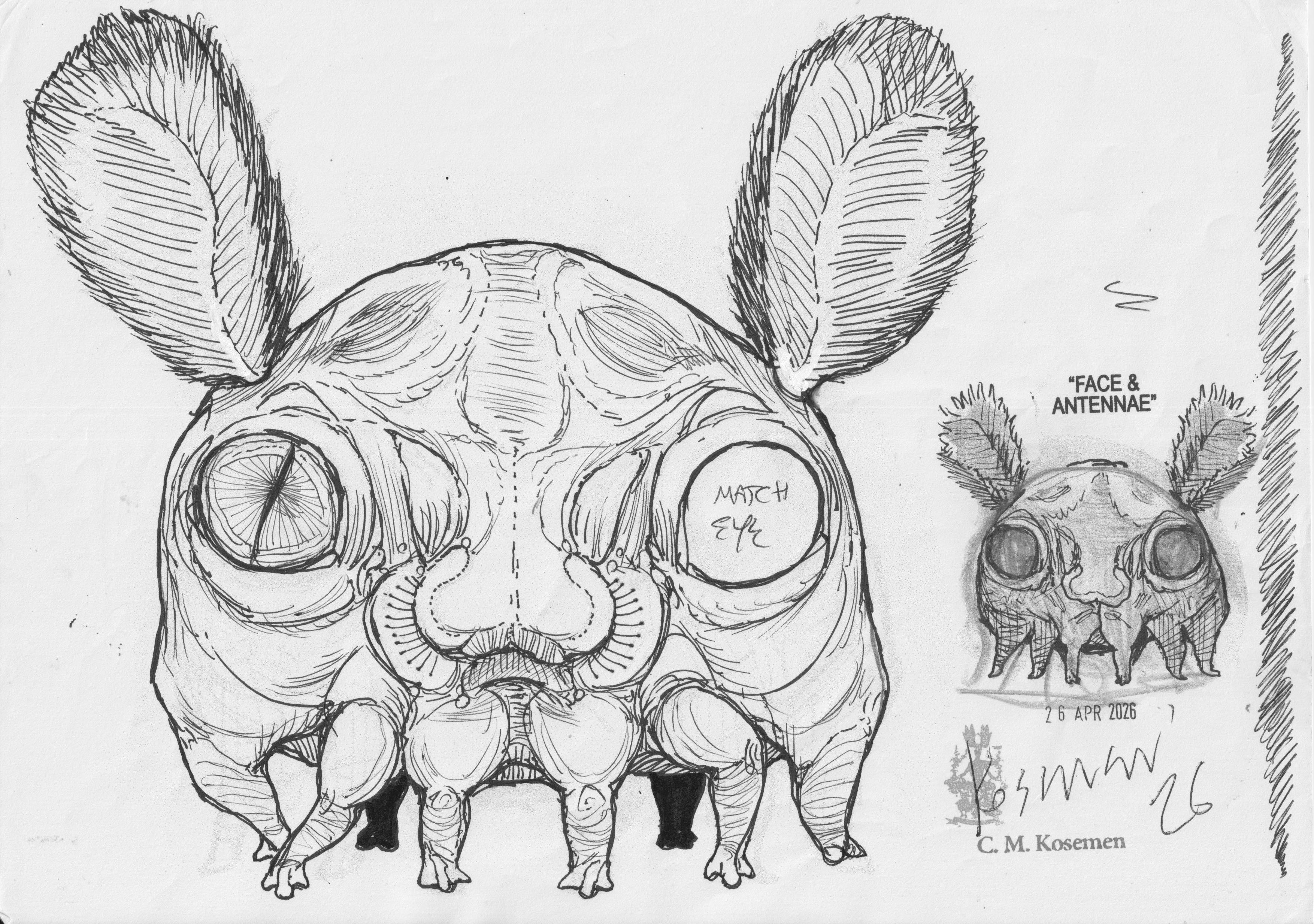
Using aliens both as a speculative user group and as a metaphor for unknown users, the project evaluates steps and approaches taken during designing for aliens and turns it into a method for designers to use when they are designing for unknown users in speculative and more-than-human design. Understanding Unknown Users encourages designers to expand possible knowledge, uncover assumptions and biases, imagine multiple interpretations of the unknown user and identify relational points between themselves and the entity being designed for.
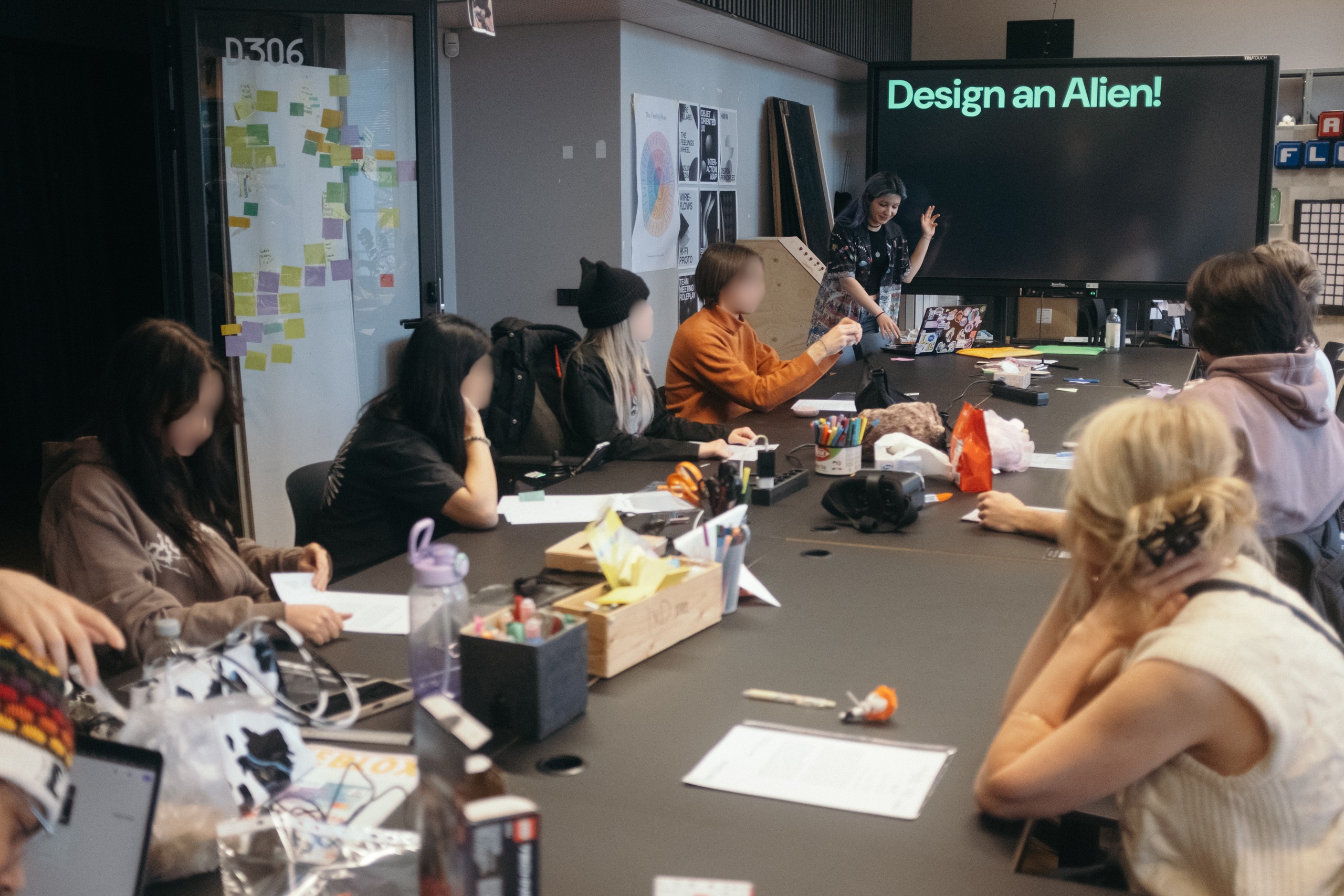
The research process included literature research on biology of animals and their senses; expert interviews across fields such as sensory design, neuroscience and interspecies communication; workshop focused on imagining alien bodies and sensory systems; and autoethnographic experiments exploring non-visual sensory perception and tactile interaction. In addition, an artefact and exhibition were designed to provoke designers to reflect on how concepts such as communication, peace, humanity and the user are constructed through human-centered perspectives, while also introducing the proposed method.

Without actually proposing an idea for finding a way to communicate with extraterrestrials, this project proposes a method for understanding users under conditions of uncertainty and limited knowledge and hopes to encourage more reflective, imaginative and critically aware design practices.